
The Land of
Endless Plains
From the snow-capped summit of Kilimanjaro to the turquoise shores of Zanzibar, from the thunder of the Great Migration to the quiet of ancient crater floors — Tanzania is Africa at its most complete and unforgettable.
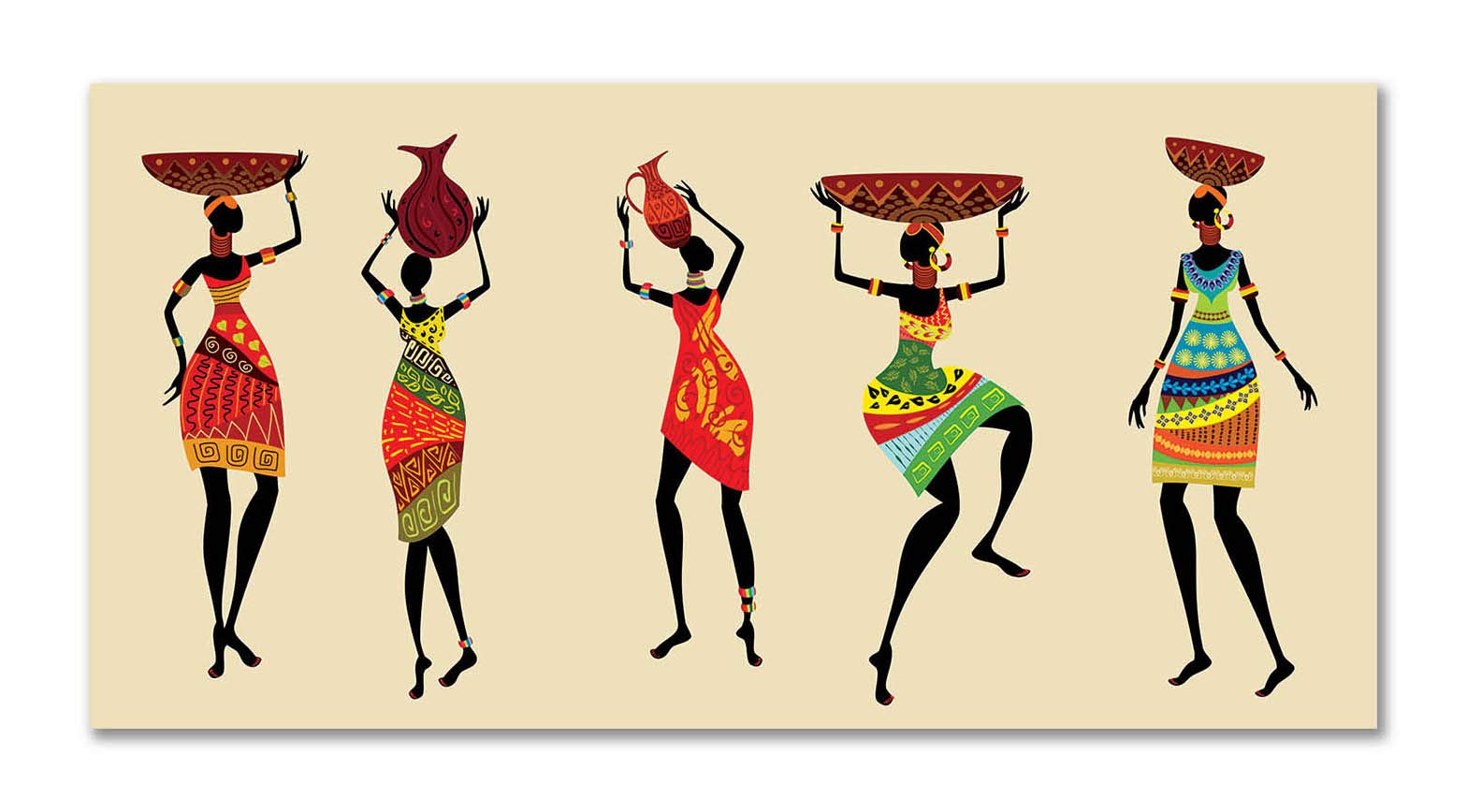
A country that holds the essence of Africa
Officially the United Republic of Tanzania, this East African nation was formed in 1964 when mainland Tanganyika united with the islands of Zanzibar. Today it is home to Africa’s highest mountain, the world’s largest overland mammal migration, one of the densest concentrations of wildlife on the planet, and a living Swahili culture that has shaped the Indian Ocean for centuries.
Vast & varied
Covering nearly 947,000 km², Tanzania stretches from the Indian Ocean coast to the Great Lakes, with high plateaus, volcanic highlands and endless savannah.
20% of Africa’s mammals
More than 20% of Africa’s large mammal population lives here, protected across 22 national parks and the iconic Ngorongoro Conservation Area.
Over 120 tribes
More than 120 ethnic groups share one national language — Swahili — creating a rare sense of unity across a richly diverse population.
Year-round destination
Tropical on the coast, temperate in the highlands. Distinct dry and green seasons each offer unique wildlife and landscape experiences.
The destinations that
define Tanzania
Serengeti National Park
The stage of the Great Migration. Over 1.5 million wildebeest, zebra and gazelle move in a continuous cycle across these endless plains, followed by the continent’s densest predator populations.
Ngorongoro Crater
The world’s largest intact volcanic caldera. A natural amphitheatre holding one of the highest densities of wildlife in Africa, including the Big Five, within its 260 km² floor.
Mount Kilimanjaro
Africa’s highest peak at 5,895 m and the world’s tallest free-standing mountain. A non-technical but challenging trek through five distinct climate zones to the snows of Uhuru Peak.
Tarangire National Park
Famous for its enormous elephant herds and towering baobab trees. In the dry season, animals concentrate along the Tarangire River in remarkable numbers.
Zanzibar Archipelago
Historic Stone Town, spice plantations, white-sand beaches and turquoise waters. The perfect cultural and coastal contrast after days on safari.
Lake Manyara & Arusha
Tree-climbing lions, flamingo-filled soda lakes and the gateway town of Arusha — the starting point for most northern circuit safaris and Kilimanjaro climbs.
Tanzania in numbers
People & Culture
Tanzania is one of Africa’s most culturally cohesive nations. Although more than 120 ethnic groups live here — including the Maasai, Chagga, Sukuma and Hadzabe — Swahili serves as a true national language spoken by almost everyone.
The population is roughly balanced between Christians and Muslims, with traditional beliefs still widely practised. Hospitality is deep-rooted, and visitors are usually greeted with a warm “Karibu” (welcome).
On the coast and in Zanzibar the Swahili culture is especially rich, shaped by centuries of trade with Arabia, Persia, India and Europe.
Practical information
- Capital: Dodoma (political) · Dar es Salaam (commercial hub)
- Languages: Swahili (national) & English (official)
- Currency: Tanzanian Shilling (TZS) — USD widely accepted for tourism
- Visa: eVisa available online or on arrival for most nationalities
- Best time for safari: June–October (dry) & January–February (calving)
- Best time for Kilimanjaro: January–March & June–October
- Best time for Zanzibar: June–October & December–February
- Driving side: Left
Why travellers fall in love with Tanzania
Few countries offer such a perfect combination of experiences in one journey: the drama of the Great Migration, the achievement of standing on the Roof of Africa, the intimacy of a crater floor packed with wildlife, and the soft landing of a Zanzibar beach. At Sema Africa Tours we believe the best way to experience Tanzania is not simply to visit it — but to feel it.